Barren-Ground Grizzly Hunts
What To Expect:
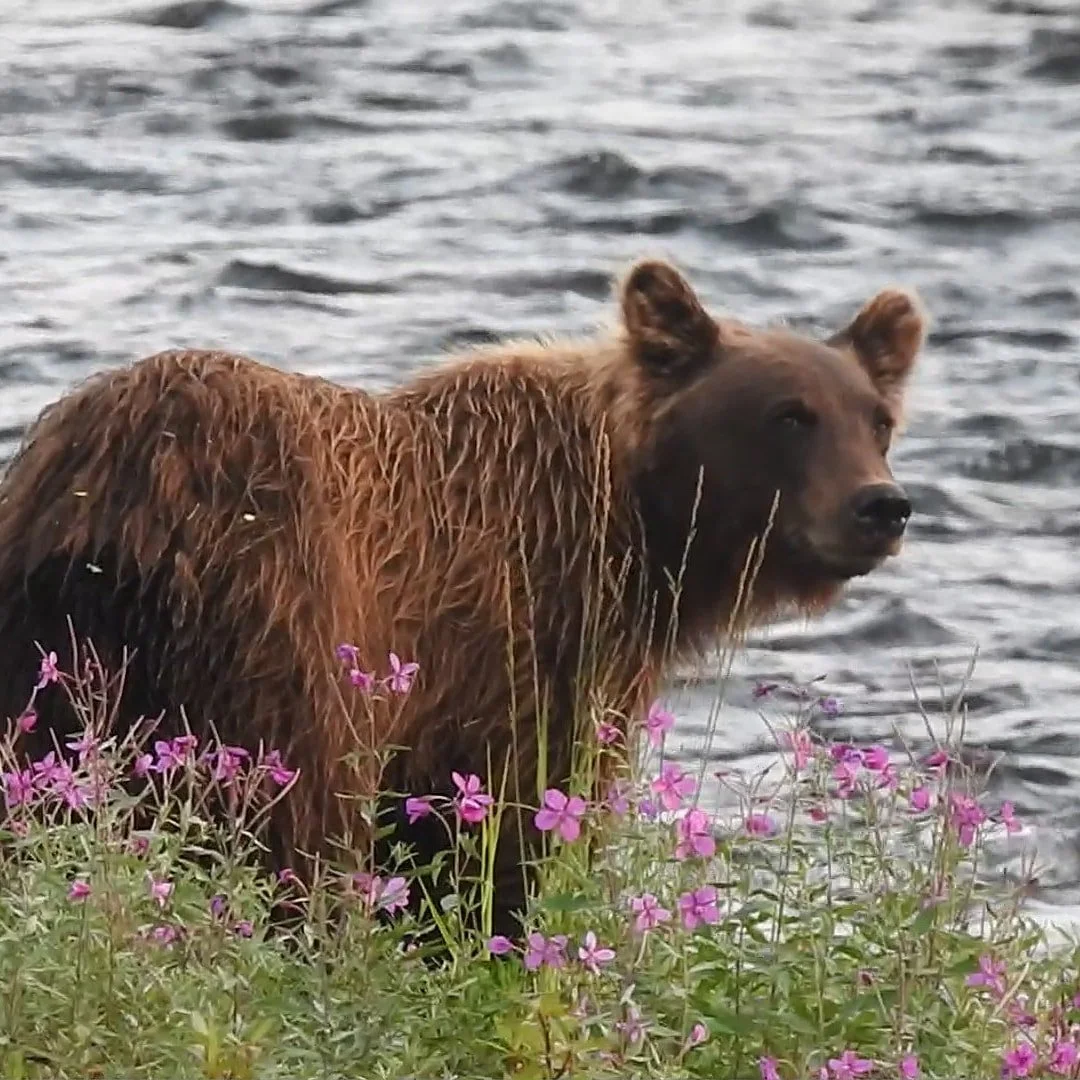
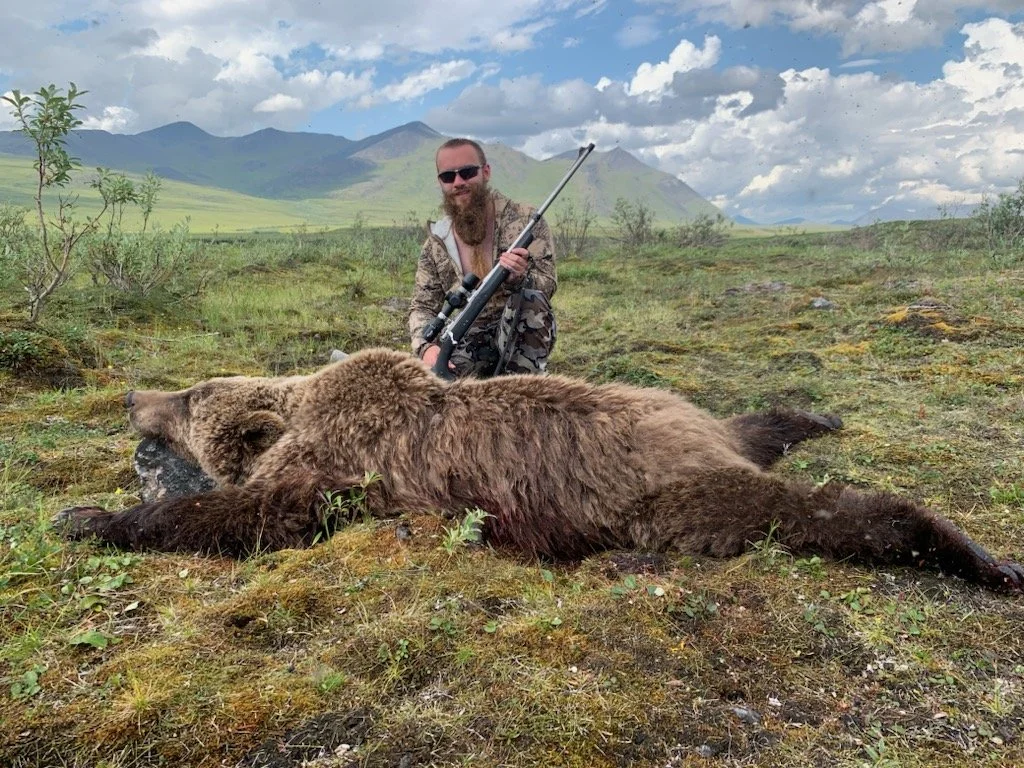
When hunting Barren Ground Grizzly, it’s good to understand before your hunt that you just drew an RB987 tag. You are now hunting the rarest (and albeit the smallest) of the brown bear subspecies in North America. Very few people will ever even see one of these bears, let alone have the opportunity to harvest one. Much like the caribou hunt, you start your journey off in Deadhorse. We always try to enter the field the same morning you land on your commercial flight (weather permitting, of course). Once we get into the field, we set up our camp, and we can start looking for bears from camp (you cannot harvest a grizzly until the next morning).
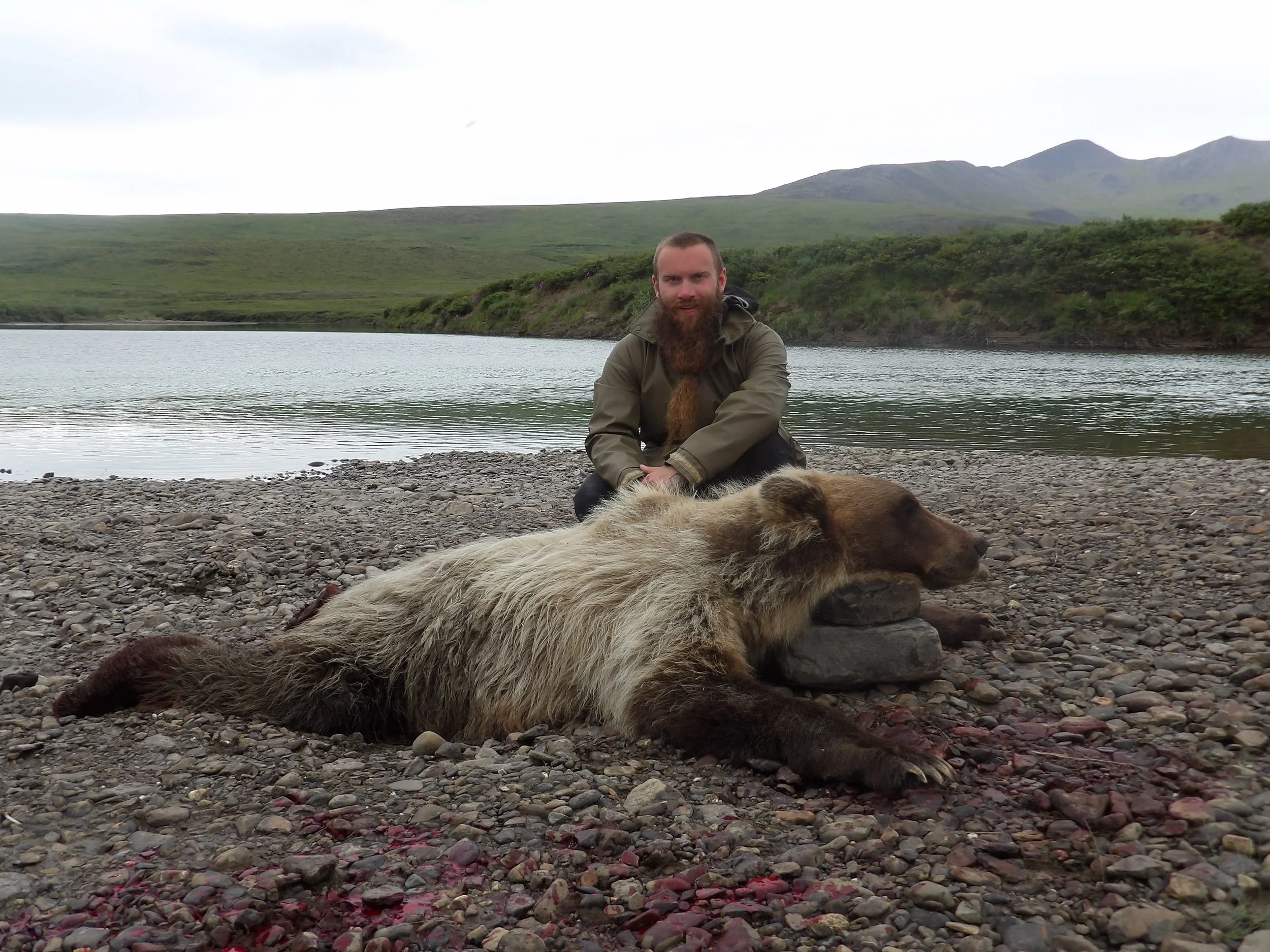
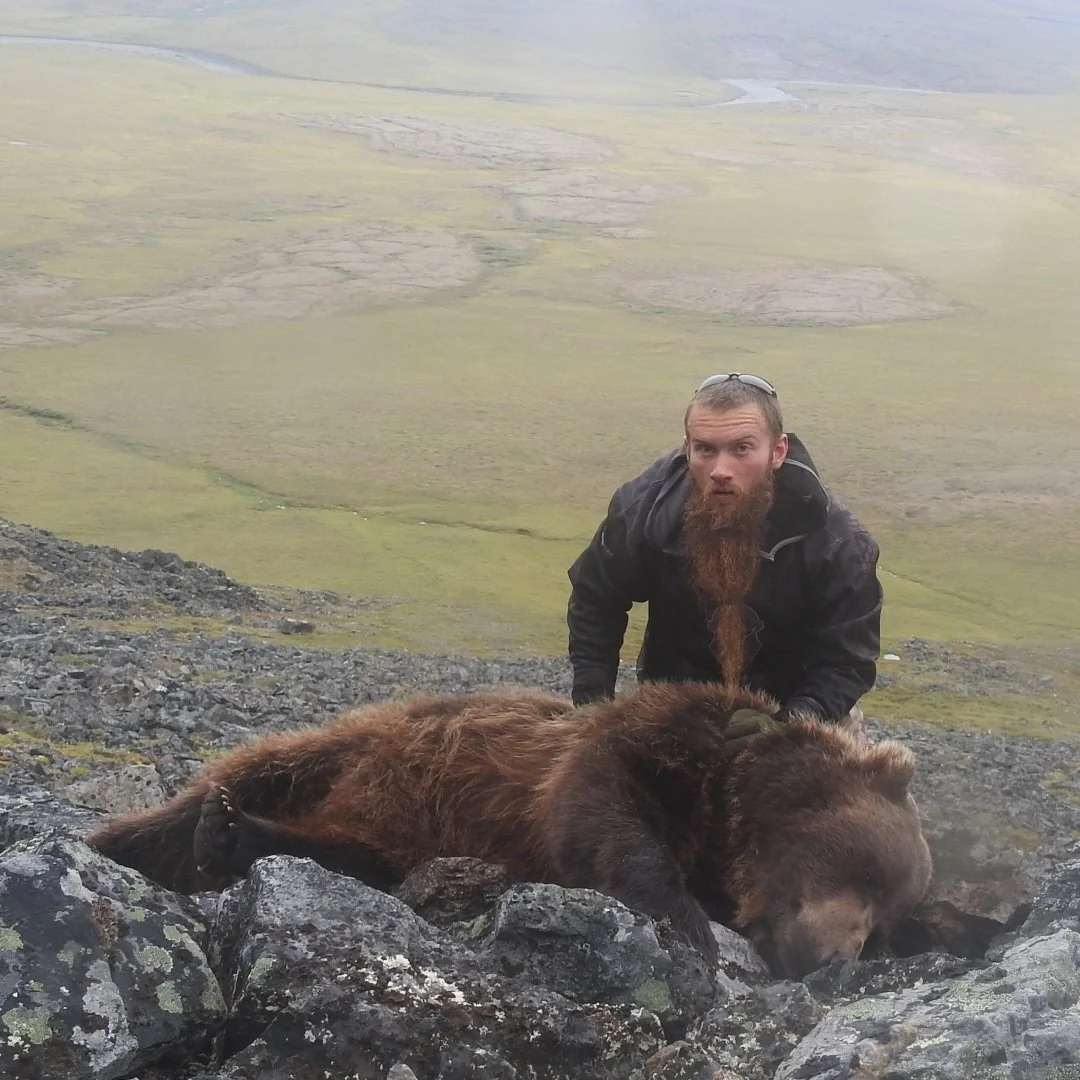
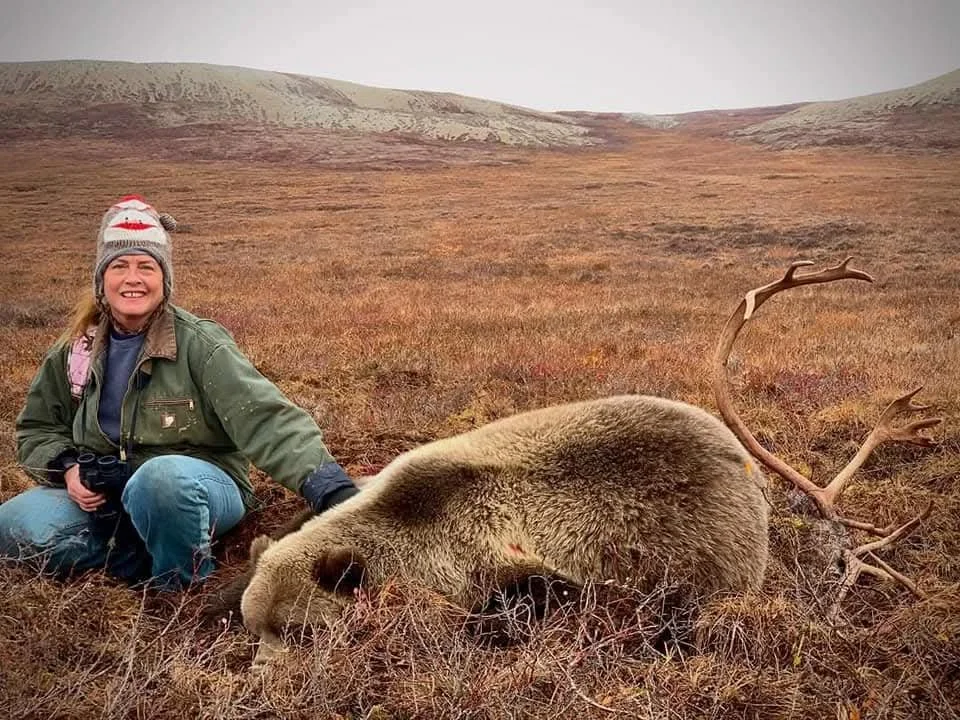
When morning breaks, we will spend upwards of the next 10 days looking for a shooter bear. As I mentioned, these bears are not even as big as the average Interior Grizzly; most of these bears are in the 6 to 7-foot range. But you will absolutely love the fur color, as the vast majority of bears in this country are bright blonde or so light in color that they almost look white. It is recommended that you only bring binoculars on this hunt (10x42s would be sufficient) and do not bring a spotting scope. Even we guides typically don’t use them in this part of the state, as the distances you can see are so great that you will end up walking off after something, only to come to the realization that the animal is miles away. By the time you get to the place it was, it’s already gone and traveled an even further distance from camp.
It is important for you to understand that these bears are known for their short temper and aggressiveness, as they live a hard life and make it day by day, not only eating the local vegetation but also hunting and killing the local wildlife. In this country, everything on the tundra walking around can be viewed as a food source for these bears. That being said, everywhere you go (including going to the bathroom), you need to have a firearm with you.
When it comes time to shoot a bear, we try to make the first shot under 200 yards. You need to know what your weapon does at 300, 400, and 500 yards as well, so you can keep putting rounds into the bear as it flees. Your guide will also be putting bullets into the bear if they feel it is necessary to do so.
As for the weather, we are hunting at the same time of the year as our caribou hunts, so expect crazy weather that seems to change by the moment. Expect to see a lot of rain and even the possibility of snow and hail storms. The North Slope is also known for its high winds at times, and there is no cover around to speak of. Make sure you bring mosquito spray and a Thermacell because, at times, the bugs will make you go crazy. Expect temperatures to be as low as the low 30s and as high as the mid 50s.
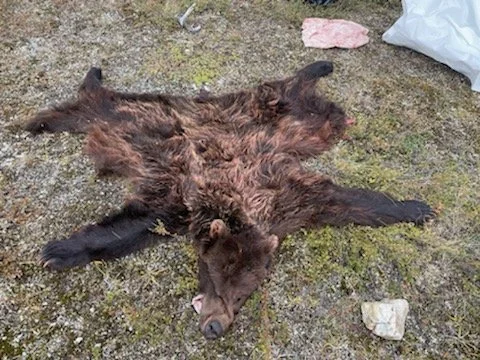
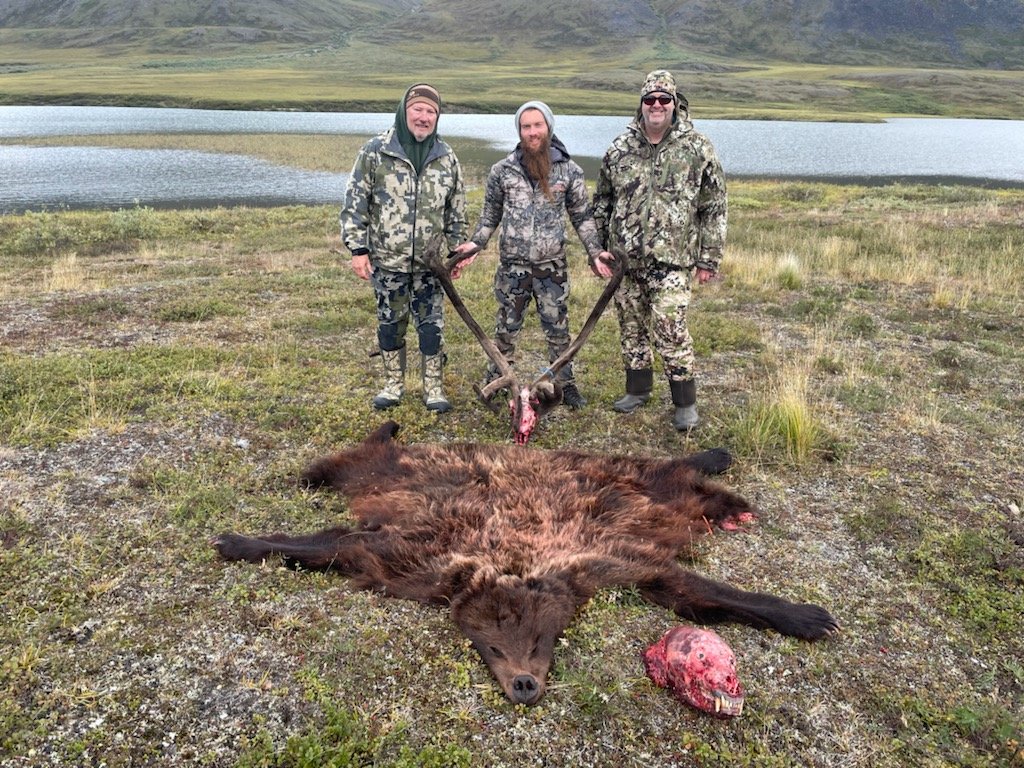
After you kill your bear, we will either be hunting Barren Ground Caribou (if you have a tag and are willing to pay the $3,500 trophy fee), or we can wolf hunt if you chose to bring a wolf tag. Once the hunt has concluded and the plane lands in camp, we will fly back to Deadhorse, and if it’s early enough in the day, you may be able to change your flight and head back to Anchorage the same evening. If you are bringing home any meat, there is a service in Deadhorse that will freeze and haul the meat to Anchorage for you and will ship it to the address you provided them. As for your antlers and hides, we will use Alaskan Air Cargo to send them to Anchorage, and a representative of Arctic Wolf Tannery will grab them and haul them to the tannery to do any sealing and processing that needs to be completed.